
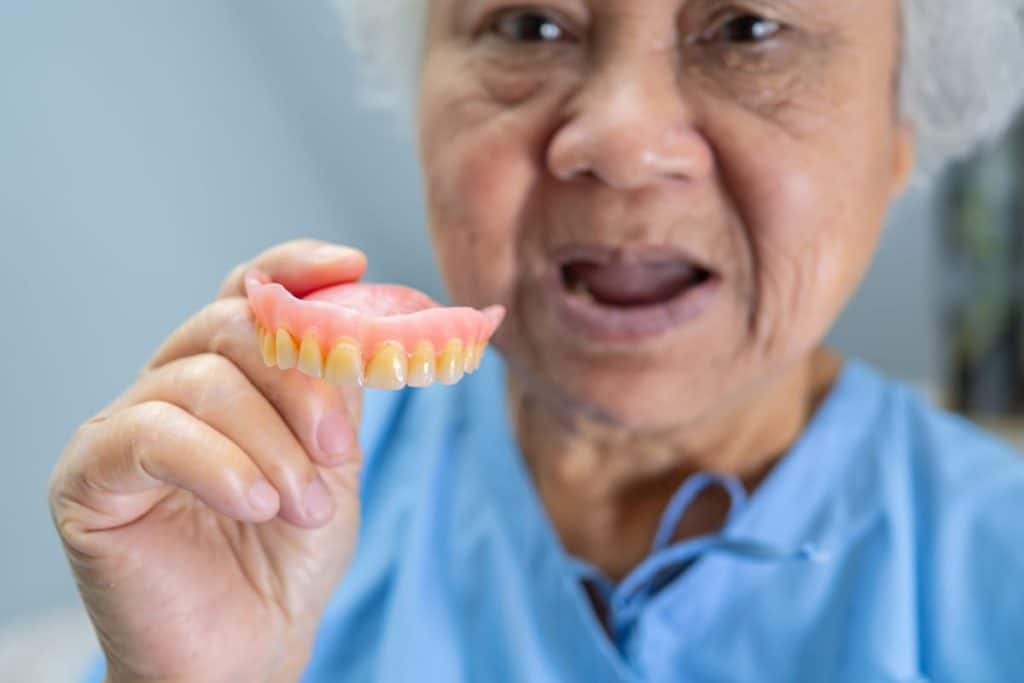
Getting your first set of dentures is a big milestone, one that can bring both relief and a little uncertainty. Maybe you’re excited to finally chew comfortably again, but also wondering why your new smile feels strange, or why speaking suddenly takes extra effort.
Here’s the good news: almost everyone who wears dentures goes through an adjustment period, and it’s completely normal. With the right expectations and a few practical habits, you can move through those first weeks smoothly and start enjoying the everyday benefits of a confident, functional smile.
In this guide, we’ll walk through exactly what to expect in your first weeks with dentures, common challenges, and simple tips to help you adjust faster, plus answers to some of the questions patients ask us most often at Summit Dental in Ruidoso, NM.
Why the First Few Weeks With Dentures Feel Different
Your mouth has spent years maybe decades adapting to your natural teeth or a previous dental situation. Dentures introduce a new shape, texture, and pressure pattern, so your muscles, gums, and even your tongue need time to relearn how to function.
This adjustment isn’t a sign that something is wrong. It’s simply your body learning a new normal.
Common Sensations in Week One
- A feeling of fullness or bulkiness in the mouth
- Mild soreness or tenderness along the gums
- Increased saliva production
- Slight difficulty pronouncing certain words
- A sensation that the dentures might slip when smiling or laughing
Most of these sensations ease significantly within the first two to four weeks as your tissues adapt.
Eating With Dentures: What to Expect
One of the biggest adjustments involves mealtime. Chewing with dentures requires a different technique than chewing with natural teeth, so patience here pays off.
Tips for Easier Eating
- Start with soft foods like scrambled eggs, mashed potatoes, and soups
- Cut food into small pieces to reduce pressure on the gums
- Chew slowly using both sides of your mouth evenly
- Avoid extremely sticky, hard, or chewy foods early on
- Gradually reintroduce firmer foods as your comfort improves
Many patients notice that within three to six weeks, chewing feels far more natural and requires much less conscious effort.
Speaking Clearly With New Dentures
It’s common to notice a slight lisp or altered pronunciation right after getting dentures. This happens because your tongue and lips need to recalibrate around the new shape in your mouth.
A simple, effective fix is practice. Reading aloud for a few minutes each day helps retrain your speech muscles more quickly than avoiding conversation altogether.
Caring for Your Gums and Denture During the Adjustment Period
Proper care during these early weeks supports both comfort and long-term denture health.
Daily Care Habits
- Remove and rinse your dentures after eating
- Brush your dentures daily with a soft-bristled brush and non-abrasive cleanser
- Give your gums a nightly rest by removing dentures before bed (unless your dentist advises otherwise)
- Rinse your mouth with warm salt water to soothe tender gum tissue
- Store dentures in water or a denture-soaking solution overnight to prevent warping
Consistent care not only speeds up your adjustment but also helps your dentures last longer.
When Soreness Is Normal And When to Call Your Dentist
Mild soreness is expected, especially around pressure points. However, certain signs suggest it’s time to schedule a follow-up visit rather than waiting it out.
Reach Out If You Notice
- Persistent pain that doesn’t improve after a few days
- Visible sore spots or irritation that worsens
- Dentures that feel loose, shift frequently, or click while speaking
- Difficulty wearing your dentures for more than a few hours at a time
Minor adjustments from your dental provider can often resolve these issues quickly, so there’s no need to simply “push through” ongoing discomfort.
How Long Does the Full Adjustment Take?
Every patient adapts at a different pace, but a general timeline looks like this:
- Week 1–2: Noticeable awkwardness; soreness and speech changes are common
- Week 3–4: Chewing and speaking begin to feel more natural
- Month 2–3: Most patients report feeling fully comfortable in daily life
Factors like denture type (full vs. partial), gum health, and how closely you follow care instructions can all influence how quickly you adjust.
Building Long-Term Confidence With Dentures
Once the initial adjustment period passes, most patients find that dentures become a seamless part of daily life. Maintaining regular dental checkups ensures your dentures continue fitting properly, since gum and bone structure can shift gradually over time.
Routine visits also allow your dentist to catch minor fit issues before they become bigger sources of discomfort.
Patients Often Ask
Is it normal for dentures to feel loose at first?
Yes. Your gums and cheek muscles need time to adjust to holding the dentures in place, so slight looseness in the beginning is common and typically improves with time.
How soon can I eat normally again?
Most people can return to a fairly normal diet within four to six weeks, though very hard or sticky foods may take a bit longer to feel comfortable.
Will people be able to tell I’m wearing dentures?
Modern dentures are designed to look natural, and once you’re used to speaking and smiling with them, most people won’t notice a difference.
Can I sleep with my dentures in?
It’s generally recommended to remove dentures at night to let your gums rest and to reduce the risk of irritation, unless your dentist gives different guidance for your situation.
What if my dentures start to feel uncomfortable after a few months?
This can happen as your gums and jawbone naturally change shape over time. A simple adjustment or reline from your dentist can usually restore a comfortable fit.
Do dentures need special cleaning products?
Yes regular toothpaste can be too abrasive. A soft brush and a denture-specific cleanser will keep them looking and functioning their best.
Final Thoughts: Give Yourself Grace During the Adjustment
Adjusting to dentures is a process, not an overnight switch. With realistic expectations, good daily habits, and support from your dental team, most patients move from uncertainty to everyday comfort within a matter of weeks.
If you’re experiencing ongoing discomfort, have questions about your fit, or are considering dentures for the first time, personalized guidance can make all the difference.
Schedule your appointment today with Summit Dental in Ruidoso, NM 88345, and let our team help you navigate every step of your denture journey from your first fitting to lasting, confident comfort.