Missing a tooth might not seem like an emergency. It doesn’t hurt anymore; you’ve adjusted how you chew, and life goes on. But here’s the problem: that quiet gap in your smile is doing damage every single day you wait. A dental bridge is one of the most effective ways to close that gap and the longer you postpone it, the more it ends up costing you, both financially and in terms of your oral health.
At Summit Dental in Ruidoso, NM, we see this scenario often. Patients come in years after losing a tooth, expecting a simple fix, only to learn that delay has created bigger, more expensive problems. This post breaks down exactly why acting sooner rather than later matters and what you can do about it.
What Exactly Is a Dental Bridge?
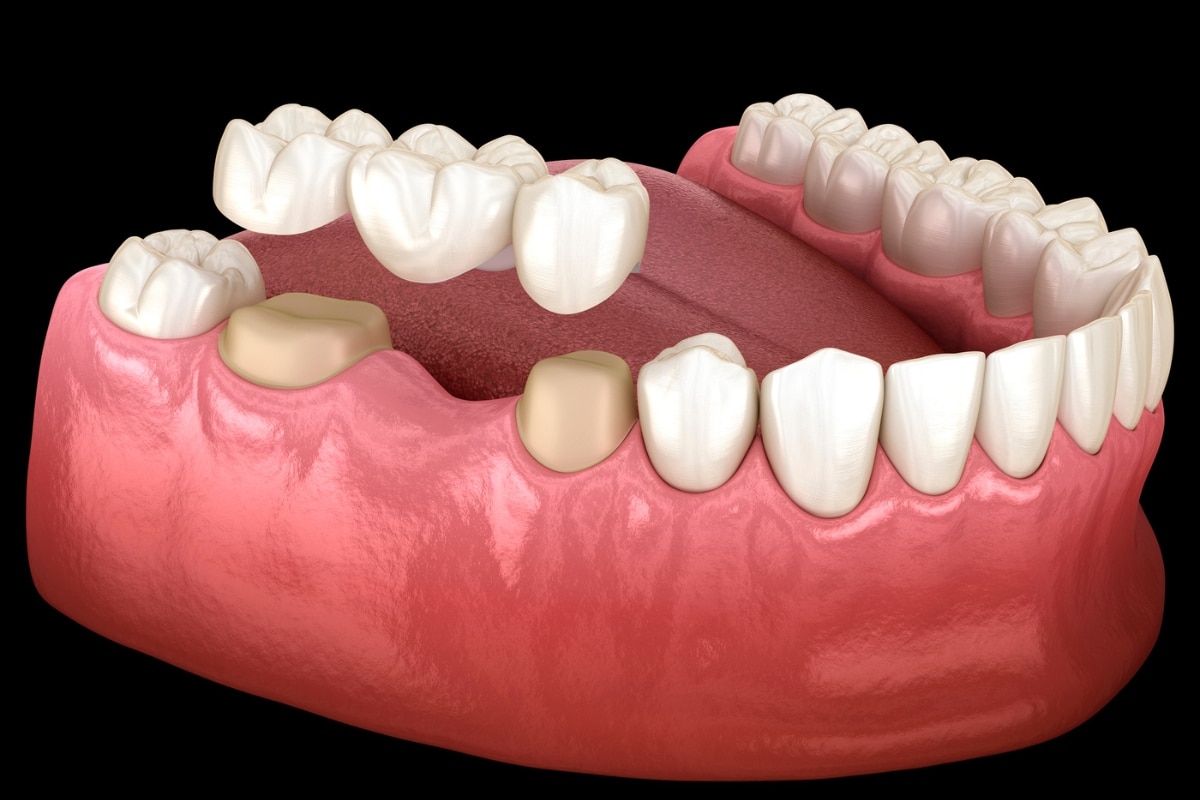
A dental bridge is a fixed restoration that “bridges” the gap left by one or more missing teeth. It typically consists of a false tooth (called a pontic) anchored in place by crowns on the adjacent natural teeth or dental implants.
Bridges are:
- Durable and long-lasting with proper care
- Designed to look and function like natural teeth
- A cost-effective alternative to implants in many cases
- Able to restore your bite, speech, and facial structure
Simply put, a dental bridge doesn’t just fill a gap it protects the health of your entire mouth.
The Hidden Costs of Waiting
1. Your Teeth Start to Shift
When a tooth is missing, neighboring teeth don’t just sit still. They naturally drift toward the empty space over time. This shifting can throw off your entire bite alignment.
Once teeth move, fitting a dental bridge becomes more complicated. What could have been a straightforward procedure may now require orthodontic treatment first adding months and significant expense to your treatment plan.
2. Bone Loss Begins Almost Immediately
Your jawbone relies on the pressure and stimulation from tooth roots to stay strong and dense. Once a tooth is gone, that stimulation stops, and the bone in that area begins to resorb (shrink).
This process often starts within the first few months after tooth loss. The longer you wait, the more bone density you lose which can eventually make you a less ideal candidate for a bridge or implant without additional bone grafting procedures.
3. Your Bite Becomes Unbalanced
Every tooth in your mouth plays a role in distributing chewing forces evenly. A missing tooth throws that balance off, forcing other teeth to compensate.
Over time, this uneven pressure can lead to:
- Accelerated wear on remaining teeth
- Jaw pain or TMJ-related discomfort
- Headaches caused by bite misalignment
- Increased risk of cracked or fractured teeth
Fixing these secondary issues later almost always costs more than addressing the original gap with a dental bridge would have.
4. Increased Risk of Gum Disease and Decay
Gaps left by missing teeth are harder to clean effectively. Food particles and bacteria can accumulate in ways your toothbrush and floss weren’t designed to reach.
This raises your risk of:
- Gum disease around neighboring teeth
- Cavities on the exposed surfaces of adjacent teeth
- Chronic bad breath
Left untreated, these issues can spiral into more invasive and expensive dental work down the road.
5. Facial Structure Can Change
It’s easy to underestimate how much your teeth support the structure of your face. Missing teeth, especially multiple ones, can lead to a sunken or aged appearance over time due to bone loss and reduced facial support.
A timely dental bridge helps maintain your natural facial contours, something that becomes harder and pricier to restore the longer you wait.
Why Early Treatment Saves You Money
Let’s connect the dots. Delaying a dental bridge doesn’t pause the clock on your oral health it accelerates decline in several directions at once. Here’s a quick comparison:
If you act early:
- Simpler, faster procedure
- Lower overall cost
- Minimal impact on surrounding teeth
- Preserved jawbone density
If you delay:
- Possible need for bone grafting
- Orthodontic work to correct shifting
- Treatment for gum disease or decay
- Higher complexity and cost overall
When you look at it this way, a dental bridge isn’t just a cosmetic fix it’s a preventive investment. Addressing tooth loss early is almost always the more affordable path in the long run.
Who Is a Good Candidate for a Dental Bridge?
Most patients with one or more missing teeth and healthy surrounding teeth or gums are good candidates. During a consultation, your dentist will evaluate:
- The condition of adjacent teeth (which will support the bridge)
- Your gum health
- Jawbone density
- Your bite alignment
If you’ve been putting off treatment for a while, don’t worry many patients still qualify for a bridge even after some delay. The key is not waiting any longer than necessary.
What to Expect During the Dental Bridge Process
Understanding the process can ease any hesitation about moving forward:
- Initial consultation: Your dentist examines your teeth, gums, and jaw to confirm a bridge is the right solution.
- Preparing the abutment teeth: The supporting teeth are reshaped slightly to accommodate crowns.
- Impressions taken: These are used to custom-craft your bridge for a precise fit.
- Temporary bridge placement: Protects your teeth while the permanent bridge is being made.
- Final placement: Your custom bridge is fitted, adjusted, and cemented into place.
Most patients report the process is far more comfortable and straightforward than they anticipated.
Caring for Your Dental Bridge
Once placed, a dental bridge can last 10–15 years or longer with proper care. Keep it in great shape by:
- Brushing twice daily and flossing under the bridge with a floss threader
- Avoiding excessively hard or sticky foods
- Scheduling regular dental checkups
- Addressing any discomfort or looseness promptly
Consistent care not only extends the life of your bridge but also protects the natural teeth supporting it.
Why Timing Matters More Than You’d Think
Think of a missing tooth like a small crack in a windshield. Ignore it, and it doesn’t stay small it spreads. The same is true with gaps in your smile. What starts as a minor inconvenience can, over months or years, evolve into a more complex (and expensive) dental situation.
Acting early with a dental bridge simply keeps things simple for your health, your smile, and your budget.
Trust Your Smile to Experienced Care
At Summit Dental, we’ve helped many patients throughout the Ruidoso community restore their smiles with confidence using custom-fitted dental bridges. Our approach focuses on:
- Thorough evaluations to determine the best solution for your specific case
- Clear, honest explanations of your treatment options and costs
- Comfortable, patient-first care at every step
We understand dental decisions can feel overwhelming, which is why we take the time to walk you through your options with no pressure just clear guidance rooted in what’s best for your long-term oral health.
Common Patient Questions
Does getting a dental bridge hurt?
Most patients feel little to no discomfort thanks to local anesthesia during the procedure. Mild sensitivity afterward is normal and typically fades within a few days.
How long does the whole process take?
Generally, it takes two to three visits over a few weeks enough time to design and fit a bridge that feels natural and comfortable.
Will a dental bridge look natural?
Yes. Modern bridges are custom-shaded and shaped to match your existing teeth, so it should blend seamlessly with your smile.
What happens if I wait even longer to get one?
The gap can lead to shifting teeth, bone loss, bite problems, and a higher chance of needing more extensive (and costly) treatment later.
Is a dental bridge better than an implant?
It depends on your specific situation bone health, budget, and the number of missing teeth all play a role. Your dentist can help you compare both options during a consultation.
Can I eat normally with a dental bridge?
Absolutely. Once you’ve adjusted to it, most patients eat all their favorite foods without restriction.
Take the Next Step Toward a Healthier Smile
Delaying a dental bridge might seem like the easier choice today, but as we’ve seen, it often leads to more complicated and more expensive treatment down the road. Addressing a missing tooth sooner protects your bite, your jawbone, and your overall dental health, while keeping your treatment simple and cost-effective.
If you’ve been putting off replacing a missing tooth, now is a great time to explore your options.
Schedule your appointment today with Summit Dental and let our Ruidoso team help you find the right solution for a healthier, more confident smile.